
Views: 0 Author: Site Editor Publish Time: 2025-11-11 Origin: Site


In the competitive world of wine production and distribution, a bottle’s visual presentation plays a pivotal role in attracting consumers and conveying brand identity. Among all packaging elements, wine labels stand out as one of the most critical tools for communication. They not only provide essential information about the wine but also act as a reflection of a winery’s brand, quality, and heritage.
Proper labeling is more than a design choice—it is also a legal requirement in most markets. Failure to comply with labeling regulations can result in fines, product recalls, or import/export restrictions. Beyond compliance, professional and thoughtfully designed labels enhance consumer trust, elevate brand perception, and improve shelf appeal.
This article offers a comprehensive guide to wine bottle labeling information and requirements, covering label definitions, mandatory and optional information, design and material considerations, compliance tips, and common mistakes to avoid. Whether you are a boutique winery, a large-scale producer, or an importer, understanding these principles is essential for creating effective and compliant wine labels.
A wine label is a piece of printed or decorative material attached to a wine bottle to communicate important information and convey brand identity. While labels primarily serve an informational role, they also function as a marketing and branding tool. Labels are often the first point of contact between the consumer and the wine, influencing purchasing decisions and brand loyalty.
Information Transmission: Labels provide details about the wine, such as vintage, grape variety, and alcohol content.
Brand Promotion: Creative designs, logos, and typography help establish a recognizable identity and differentiate products on crowded retail shelves.
Market Differentiation: Unique labels highlight limited editions, seasonal releases, or premium collections.
Promotional Tool: Labels can incorporate QR codes or digital links, connecting the physical product with online content or promotions.
Wine labels come in various forms depending on their placement and purpose:
Front Label (Main Label): The most prominent label that features the brand, wine name, logo, and often visual elements to attract consumers.
Back Label: Provides supplementary information such as tasting notes, food pairings, production methods, or winemaker insights.
Wine Tags / Special Labels: Hanging tags or limited edition labels used for gift bottles, collector editions, or promotional purposes.
By combining these label types, wineries can convey a comprehensive story about their product while adhering to regulatory requirements.
Every wine bottle label must comply with regulatory standards, which vary by region but generally require certain core information. Correctly including mandatory details is crucial to avoid legal issues and to maintain consumer trust.
Alcohol Content: Expressed as a percentage by volume, this is essential information for consumers and regulatory compliance.
Net Content / Bottle Volume: The amount of wine in the bottle, usually indicated in milliliters (mL) or liters (L).
Origin / Region: Specifies the geographic source of the wine, which can influence consumer perception of quality.
Grape Variety: Indicates the type of grape(s) used in production.
Producer / Importer Information: Identifies the winery, distributor, or importer responsible for the wine.
Health Warnings / Allergen Declarations: Required in many countries to inform consumers about potential allergens (e.g., sulfites) or alcohol-related warnings.
European Union: Requires specific font sizes, allergen labeling, and often a back label with detailed product information.
United States: Labels must comply with the Alcohol and Tobacco Tax and Trade Bureau (TTB) requirements, including alcohol content, origin, and health warnings.
Asia-Pacific Markets: Labeling rules vary widely; for example, Japan mandates both Japanese text and importer details, while China emphasizes production date and alcohol volume.
Complying with these regulations ensures that wines can be legally sold in domestic and international markets while enhancing consumer confidence.
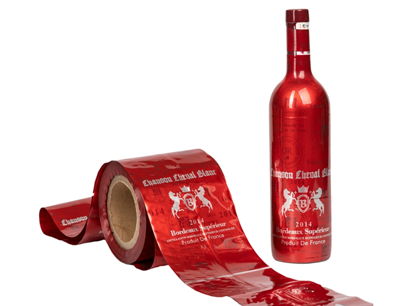
Beyond mandatory requirements, wineries often include additional information on wine labels to engage consumers and create added value.
Sharing the story behind the vineyard or the winemaking process enhances authenticity and emotional connection. Consumers increasingly value transparency and craftsmanship, which can be communicated through narratives on the back label or a special tag.
Providing tasting notes, aroma profiles, and suggested food pairings can guide consumers and enhance the wine experience. These notes also reinforce the winemaker’s expertise and build brand credibility.
Integrating QR codes, website URLs, or social media handles allows consumers to access interactive content such as virtual vineyard tours, videos, or e-commerce stores. This connection between physical and digital marketing strengthens engagement and encourages repeat purchases.
Special edition wines often feature unique numbering, foil stamping, or customized artwork. These labels enhance perceived value, appeal to collectors, and make bottles suitable for gifting or promotional events.
By combining optional elements with mandatory information, wineries can create custom wine labels that balance compliance, marketing, and consumer appeal.
The visual and tactile qualities of a label directly affect its ability to communicate a brand’s identity and attract buyers.
Logo & Brand Name: Prominent placement ensures recognition and reinforces brand consistency across different wines.
Typography & Color Palette: Fonts and colors should reflect the wine’s personality and target audience. For example, gold foil and deep burgundy evoke luxury, while bright, playful colors appeal to casual wine drinkers.
Graphics & Imagery: Vineyard illustrations, grape clusters, or abstract designs can enhance storytelling and create a collector-worthy label.
Information Hierarchy: Essential details should be prioritized for readability, while secondary content like QR codes or tasting notes should be placed strategically without cluttering the label.
Paper Labels: Classic choice with excellent print quality; coated versions improve moisture resistance.
Synthetic / Waterproof Materials: Ideal for chilled wines, sparkling wines, or bottles exposed to condensation.
Metallic / Foil-Finished Labels: Add premium appeal, suitable for collector editions or luxury gift sets.
Hot Foil Stamping: Adds metallic shine for luxury appeal.
Embossing / Debossing: Creates tactile depth, enhancing perceived quality.
Digital Printing: Enables small runs and rapid customization with high detail.
Flexographic / Screen Printing: Efficient for high-volume production.
UV Spot & Gloss Coatings: Highlights specific areas for emphasis and visual impact.
Selecting the right combination of materials, printing methods, and design ensures the wine label is not only visually appealing but also durable and functional.
Ensuring your wine labels comply with regulations while maintaining aesthetic appeal requires careful planning.
Regular Label Review: Check all information for accuracy, including alcohol content, origin, and legal disclaimers.
Material Testing: Ensure labels withstand temperature changes, moisture, and handling during transport.
Professional Printing Partners: Collaborating with experienced suppliers like Winner Packaging guarantees compliance with global standards and maintains consistent quality.
Balancing Design and Legality: Prioritize readability and regulatory elements, while using creative design to enhance brand identity.
Following these best practices minimizes risk, strengthens consumer trust, and reinforces brand professionalism.
Incomplete or Incorrect Information: Omitting mandatory details can lead to legal penalties.
Inappropriate Material Choice: Labels that peel or fade in storage or transport damage brand perception.
Ignoring Regional Regulations: Different markets require specific labeling standards.
Overly Complex Designs: Excessive graphics or clutter can obscure essential information and reduce readability.
Avoiding these pitfalls ensures that your wine labels are both compliant and effective marketing tools.
Wine labels are far more than decorative elements—they are vital tools for brand identity, regulatory compliance, and consumer engagement. By carefully selecting label information, design elements, materials, and printing methods, wineries can create visually appealing and legally compliant products that resonate with their target audience.
Professional, high-quality custom wine labels not only enhance shelf appeal but also strengthen emotional connections with consumers, support marketing campaigns, and facilitate international sales. Partnering with expert label providers like Winner Packaging ensures precise execution, compliance with global standards, and creative freedom for unique brand storytelling.
Whether for a boutique winery or a large-scale producer, investing in proper wine label design and printing is an indispensable strategy to boost brand visibility, consumer trust, and market competitiveness.
Ready to create compliant, eye-catching, and memorable wine labels? Contact Winner Packaging today to explore custom solutions that bring your wine’s story to life through exceptional labeling and packaging.
Q1: What must a wine label include?
Essential information includes alcohol content, bottle volume, origin/region, grape variety, producer/importer, and health/allergen warnings.
Q2: Can I add extra details on wine labels?
Yes. Optional elements like brand story, winemaker’s notes, tasting tips, QR codes, or limited edition info can enhance appeal and storytelling.
Q3: What materials and printing methods are best?
Paper, synthetic/waterproof, or metallic labels are common. Techniques like foil stamping, embossing, digital printing, and UV coatings boost durability and premium look.
Q4: How to ensure compliance with regulations?
Use professional suppliers like Winner Packaging, verify mandatory info, follow regional standards, and test label durability to avoid legal issues.
Q5: Are custom labels suitable for small batches?
Yes. Modern printing supports small or limited editions, making them ideal for gifts, special releases, or collector wines.

