
Views: 0 Author: Site Editor Publish Time: 2025-11-25 Origin: Site


As environmental awareness grows, the demand for sustainable products continues to rise. In the water bottle industry, this includes not just the bottle itself but the labels that adorn it. Water bottle labels are often overlooked when discussing packaging sustainability, but they play a crucial role in both the environmental impact and consumer perception of a product.
In this article, we will explore the sustainability trends in water bottle labels, from eco-friendly materials to the latest advancements in printing technologies. We will also look at the benefits of sustainable labels for both businesses and consumers, and provide actionable insights for companies looking to make the switch to more environmentally-friendly labeling options.
In recent years, there has been a growing push for sustainability across all industries. The water bottle sector is no exception, with consumers and businesses increasingly aware of the environmental impact of packaging. While plastic bottles themselves have garnered much attention, the labels on these bottles also contribute significantly to waste.
Sustainability trends in water bottle labels are emerging as businesses seek to reduce their environmental footprint. Today, companies are looking to adopt eco-friendly materials, innovative printing technologies, and responsible production methods to make their products more sustainable. As consumer demand for environmentally-conscious products continues to rise, the pressure on companies to follow suit has never been greater.
Traditional water bottle labels are often made from materials that are difficult to recycle or compost. Many water bottle labels are made from plastic-based materials, including PVC, BOPP (Biaxially Oriented Polypropylene), and polyester. These materials are not biodegradable, and they can take hundreds of years to decompose in landfills.
In addition to the materials themselves, the adhesives used to stick the labels to the bottles often contain harmful chemicals that further complicate the recycling process. These adhesives are difficult to remove, and when they mix with water or other substances during the recycling process, they can contaminate recyclable materials, preventing them from being reused.
The non-biodegradable nature of many traditional water bottle labels is a key reason why recycling rates for plastic bottles and labels remain low. Even when bottles are properly recycled, the labels often remain attached, making it harder for recyclers to process the entire bottle. This can result in more plastic waste being sent to landfills or the ocean, contributing to pollution.
To address these issues, the packaging industry has started shifting towards more sustainable materials for water bottle labels. Below, we discuss some of the most common materials being used today.
Biodegradable water bottle labels are made from plant-based or organic materials that break down naturally over time. Materials like biodegradable BOPP and paper are becoming popular choices for companies aiming to reduce their environmental impact. These materials decompose in a matter of months, as opposed to the hundreds of years it takes for traditional plastic labels to break down.
Using recycled plastic and paper for water bottle labels is another sustainable solution that helps reduce the overall demand for virgin materials. Recycled PET (rPET) labels are made from post-consumer plastic waste, which helps divert plastic from landfills and repurpose it for new products.
Traditional adhesives used in water bottle labels can be toxic and are often difficult to remove. Water-based adhesives, however, are non-toxic and easier to remove during the recycling process, making them a much more eco-friendly alternative.
Compostable labels are made from materials that can break down into organic matter when exposed to the right conditions. These labels can be safely composted after use, leaving no harmful residue behind. Compostable labels are often made from paper or other organic materials and offer an excellent alternative to plastic-based labels.
Material | Environmental Impact | Benefits |
Traditional Paper Labels | Often non-recyclable, contributes to waste | Inexpensive, widely used |
Biodegradable BOPP | Breaks down over time, no harmful residues | Environmentally friendly, lightweight |
Recycled PET Labels | Recycled from used bottles, reduces waste | Reduces plastic consumption, eco-conscious |
Compostable Labels | Fully decomposes, no landfill waste | Zero waste, ideal for eco-conscious brands |
Digital printing is gaining traction in the packaging industry as a more sustainable option compared to traditional offset printing. Digital printers use advanced technologies that reduce waste, such as eliminating the need for metal plates and reducing ink usage.
One of the main advantages of digital printing is its ability to produce small quantities of high-quality labels without generating excess waste. Traditional printing methods often require large print runs, which leads to overproduction and surplus inventory. Digital printing allows businesses to print only the number of labels needed, minimizing waste and reducing the environmental impact.
Digital printing is also more energy-efficient than traditional printing methods. Because it doesn’t require extensive setup or the use of large machinery, it consumes less energy during the production process. This lower energy consumption makes digital printing an eco-friendly option for companies looking to reduce their carbon footprint.
Consumers today are increasingly concerned about the environmental impact of the products they purchase. A recent study revealed that nearly 70% of consumers prefer brands that use sustainable packaging. In the water bottle industry, this includes not only the bottle itself but also the label. Consumers are more likely to choose brands that offer eco-friendly packaging, especially if it’s aligned with their values.
Sustainable water bottle labels can create a sense of trust and loyalty among consumers. Brands that invest in sustainable packaging are often viewed more favorably by environmentally conscious shoppers, leading to increased customer retention and positive word-of-mouth.
The market for sustainable packaging is expected to grow by 10% annually over the next few years. As consumer demand for green packaging rises, businesses that fail to adapt to these trends risk losing market share to more eco-conscious competitors.
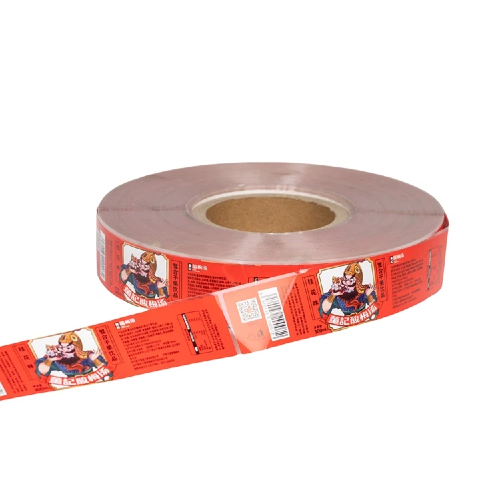
When choosing materials for sustainable water bottle labels, it’s important to consider eco-certifications that validate a product's environmental claims. Certifications like FSC (Forest Stewardship Council), Cradle to Cradle, and Global Recycle Standard (GRS) provide consumers with assurance that the materials used are responsibly sourced and processed.
Brands that adhere to eco-label standards can use these certifications as a marketing tool to demonstrate their commitment to sustainability. These certifications are trusted by consumers and help ensure that the products meet environmental and ethical guidelines.
The future of water bottle labels is likely to see even more innovative developments. Companies are exploring new materials such as algae-based inks and labels made from agricultural waste. Additionally, advancements in smart labeling, such as labels that change color when exposed to environmental conditions, could further enhance sustainability and add a unique touch to eco-friendly packaging.
As sustainability becomes a priority for packaging manufacturers, a circular economy approach is emerging. In this model, materials from used bottles and labels are collected, recycled, and reused to create new products, ensuring that the lifecycle of materials is extended and waste is minimized.
In the coming years, we can expect to see a broader adoption of sustainable water bottle labels across the industry. Companies that integrate these eco-friendly materials and technologies into their products will be better positioned to meet consumer demand and regulatory requirements.
The shift towards sustainability in water bottle labels is no longer optional—it's a necessity. As concerns about the environmental impact of traditional packaging grow, businesses are increasingly turning to eco-friendly materials and printing methods to reduce their carbon footprint. By adopting these sustainability trends, companies not only contribute to protecting the planet but also enhance their brand reputation and attract environmentally conscious consumers.
The future of packaging is undeniably green, and sustainable water bottle labels are central to this transformation. Whether through biodegradable materials, recycled content, or cutting-edge digital printing technologies, businesses now have the opportunity to lead the way in creating a more sustainable future.
For companies looking to take their sustainability efforts to the next level, Zhangjiagang Winner Packaging offers innovative packaging solutions tailored to meet your eco-friendly needs. Their expertise in custom water bottle labels ensures high-quality, sustainable options that align with your brand’s environmental goals. Reach out to explore how their sustainable labeling solutions can support your business’s commitment to a greener tomorrow.
Q1: What are the most sustainable materials for water bottle labels?
Sustainable materials include biodegradable BOPP, recycled PET, compostable labels, and labels using water-based adhesives. These materials help reduce waste and have minimal environmental impact.
Q2: Can digital printing be considered more eco-friendly for water bottle labels?
Yes, digital printing is considered more eco-friendly because it generates less waste, uses less energy, and can be more efficient for smaller production runs, minimizing excess material use.
Q3: Are there any certifications for sustainable water bottle labels?
Yes, certifications such as FSC (Forest Stewardship Council), Cradle to Cradle, and others can help verify the sustainability of your water bottle labels. These certifications ensure that the materials used meet eco-friendly standards.
Q4: How do sustainable labels affect consumer purchasing decisions?
Research shows that consumers are increasingly eco-conscious, and many prefer brands that use sustainable packaging. Sustainable labels can enhance brand loyalty and attract environmentally aware customers.
Q5: Can I use biodegradable water bottle labels for products that are exposed to moisture?
Yes, there are biodegradable label options designed specifically to withstand moisture and exposure to water, such as biodegradable BOPP labels.


