
Views: 0 Author: Site Editor Publish Time: 2025-11-23 Origin: Site


Can you put disposable aluminum foil pans in the oven? It's a question many home cooks ask, especially when looking for convenience. These pans are popular for their lightweight design and easy cleanup. But are they safe for high temperatures?
In this article, we will explore whether it's safe to use aluminum foil pans in the oven. You'll learn practical tips and how to use them effectively in your kitchen. By the end, you'll know how to maximize their potential while ensuring safety.
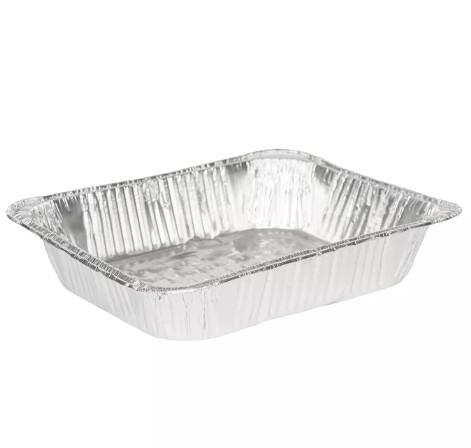
Disposable aluminum foil pans are lightweight, single-use trays made from durable aluminum foil. These pans come in various sizes and shapes, making them versatile for different cooking needs. Their design allows for easy cleanup since they are typically discarded after use. Many people use them for a variety of tasks, such as baking, roasting, grilling, and even freezing food. These pans are especially handy for one-time events, like parties, barbecues, or bake sales, as they eliminate the need to wash heavy-duty bakeware afterward.
One of the biggest advantages of aluminum foil pans is their cost-effectiveness. Because they are disposable, they are an inexpensive option, especially for large gatherings or one-time uses.
Aluminum foil pans are ideal for use in the oven because of aluminum's excellent heat conductivity. The material heats up quickly and distributes heat evenly, helping food cook uniformly. This is particularly useful when baking, as it ensures that the food is exposed to consistent heat. Additionally, aluminum is lightweight, making these pans easy to handle and transport, even when hot.
However, the thin material can be prone to bending, especially when used for heavy items. For example, a large lasagna or a whole turkey might cause a flimsy aluminum pan to collapse under its weight. This is why disposable aluminum foil pans are best suited for lighter tasks like baking pies, roasting vegetables, or making smaller casseroles. For heavier dishes, using a thicker, more durable pan is recommended.
Disposable aluminum foil pans come in a range of shapes and sizes, each suited for different culinary purposes. The most common types include:
Shallow pans: These are perfect for tasks such as baking cookies, roasting vegetables, or reheating food. Their shallow design ensures even cooking and quicker heat distribution.
Deep pans: These are ideal for cooking heavier foods such as lasagna, casseroles, or cakes. Their depth provides enough room to accommodate larger portions and prevent spills.
Partitioned pans: These are great for serving different food items without mixing them. They are often used for events like barbecues or potlucks where multiple dishes are served simultaneously.
Each type of pan serves a specific function, so it's important to choose the right one for your cooking needs to achieve the best results.
| Type | Description | Best Uses |
|---|---|---|
| Shallow Pans | Lightweight, low depth, usually rectangular | Baking cookies, roasting vegetables, reheating food |
| Deep Pans | Higher depth, can accommodate large dishes | Lasagna, casseroles, cakes |
| Partitioned Pans | Divided sections to separate foods | Serving different food items at events, meal prepping |
Aluminum foil pans can typically withstand oven temperatures up to 450-500°F (232-260°C), making them suitable for most baking, roasting, and cooking needs. However, pans made from thinner aluminum may warp or bend under higher heat, particularly if they are loaded with heavy ingredients. The material is designed to handle high temperatures, but it is important to monitor the temperature limits to avoid potential damage to the pan.
It's crucial to read the manufacturer’s instructions for any specific temperature recommendations for the pan you are using, as some pans may have lower maximum temperature tolerances. Keeping your oven within the recommended range will ensure that the pan maintains its structural integrity during cooking.
| Pan Type | Maximum Temperature | Recommended Use |
|---|---|---|
| Standard Foil Pans | 450-500°F (232-260°C) | Baking, roasting, reheating |
| Heavy Duty Foil Pans | 500°F (260°C) | Heavy dishes like casseroles, lasagna |
| Extra-thick Foil Pans | 500-550°F (260-288°C) | High-temperature tasks, grilling |
One of the most common issues with aluminum foil pans is warping. Lightweight pans can bend or collapse when exposed to high heat or when cooking heavier dishes. This can lead to food spills, uneven cooking, and, in some cases, potential accidents in the kitchen. To prevent warping, it’s important to place the pan on a solid baking sheet or tray for extra support, especially if you're cooking a dish with a heavy load.
A baking sheet or tray will help distribute the heat evenly and prevent the aluminum from bending under pressure. It will also make it easier to handle the pan when moving it in and out of the oven, preventing burns and spills.
There have been concerns raised about the potential for aluminum to leach into food during cooking. While this is a valid concern, studies show that the amount of aluminum transferred to food is minimal and does not pose a significant health risk. The World Health Organization (WHO) and other health organizations have confirmed that cooking with aluminum does not result in dangerous levels of aluminum in food.
That being said, if you are particularly concerned about this, using anodized aluminum or non-stick coated aluminum pans can reduce the chances of leaching. Additionally, cooking acidic foods like tomatoes or citrus in aluminum pans should be done with care, as acid can increase the likelihood of leaching. For added peace of mind, consider using glass or ceramic cookware for acidic dishes.
Before placing your aluminum foil pan in the oven, always preheat it to the desired temperature. Preheating ensures that the food cooks evenly from the moment it’s placed inside. This is especially important when using aluminum pans, as they benefit from consistent heat distribution for optimal results. Preheating also helps prevent overcooking or undercooking, giving you better control over your cooking process.
For dishes like cakes and cookies, where precise temperature control is necessary, preheating the oven is especially important to achieve the best texture and flavor.
Aluminum foil pans are versatile and can be used for a wide range of cooking tasks. Some of the most popular uses include:
Baking cakes: The excellent heat conductivity of aluminum ensures that cakes bake evenly, preventing hot spots that could cause uneven cooking or burning.
Roasting vegetables: Aluminum pans provide ample space for roasting vegetables, ensuring they cook uniformly while allowing for easy cleanup afterward.
Making casseroles: Disposable aluminum pans are perfect for casseroles, allowing you to bake, serve, and dispose of the pan all in one go.
When using aluminum foil pans, be sure to follow the recommended cooking times and temperature settings for the best results. This will help ensure that your food is cooked to perfection and that your pan remains in good condition.
| Use Case | Recommendation | Precaution |
|---|---|---|
| Baking Cakes | Use shallow or deep pans for even heat distribution | Preheat oven, avoid overcrowding in the pan |
| Roasting Vegetables | Use shallow pans to allow for even roasting | Check food occasionally to prevent overbaking |
| Making Casseroles | Use deep or heavy-duty pans | Place on a baking sheet to prevent warping |
| Broiling | Avoid using lightweight pans | Broiling requires more robust materials |
| Freezing Leftovers | Use disposable pans for easy storage | Ensure pans are tightly covered to avoid freezer burn |
While aluminum foil pans are great for baking and roasting, they are not ideal for broiling. Broiling involves intense, direct heat from the oven’s top heating element, which can cause the thin aluminum to warp or even melt. For this reason, it’s best to avoid using lightweight aluminum pans under the broiler. Broiling typically requires a heavier, more durable pan to withstand the extreme heat.
If you do need to use aluminum for broiling, opt for a heavy-duty, broiler-safe aluminum pan to prevent warping or melting.
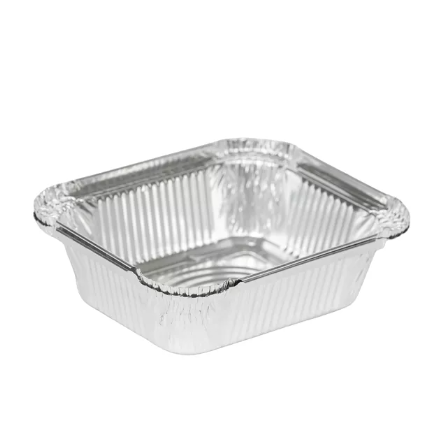
If your aluminum foil pan warps during cooking, it’s important to assess whether it’s still safe to use. Minor warping may not impact cooking, but significant bending or tearing can lead to food spills or uneven cooking. If the pan is too damaged, it’s best to discard it and use a new one to avoid potential issues with cooking and safety. If you’re unsure, it’s better to be cautious and replace the pan.
Many disposable aluminum pans can be reused if cleaned properly. To extend the life of your pan, wash it gently by hand using mild detergent. Avoid using abrasive scrubbers, as they can weaken the aluminum and cause the pan to degrade faster. After cleaning, thoroughly dry the pan to prevent oxidation, which can cause discoloration and weaken the material.
While aluminum pans are intended for single-use, careful cleaning can allow for multiple uses, especially for light tasks like roasting vegetables or baking cakes.
Disposable aluminum pans are excellent for grilling and outdoor cooking. You can use them to grill vegetables, fish, or even small cuts of meat. Their heat conductivity ensures that food cooks evenly, and they make cleanup a breeze. When grilling, place the pan on the grill grate, but ensure that the pan does not block airflow, as this can result in uneven cooking. Aluminum pans are also great for holding marinades or sauces, making them a convenient tool for cooking outdoors.
Aluminum foil pans are also incredibly useful for storing leftovers and meal prepping. Their disposable nature makes them perfect for storing pre-cooked meals in the refrigerator or freezer. You can freeze soups, casseroles, and even baked goods directly in these pans, which helps preserve their freshness. Be sure to cover the pan with plastic wrap or aluminum foil before storing it to prevent freezer burn and maintain the quality of your food.
Many air fryers are compatible with aluminum foil pans. When using them in an air fryer, make sure that the pan fits properly without obstructing airflow. Air fryers rely on hot air circulation to cook food evenly, and blocking the airflow with an improperly sized pan can result in uneven cooking. Avoid covering the entire bottom of the air fryer basket, as proper air circulation is essential for crisping food.
Aluminum foil pans can be used in toaster ovens, but there are some important considerations to keep in mind. Ensure that the pan fits comfortably within the toaster oven without touching the heating elements. Always check the manufacturer’s guidelines for any size restrictions, and avoid using aluminum foil directly on the toaster oven's interior. This can potentially damage the appliance or cause uneven heating.
Disposable aluminum foil pans are a convenient and versatile tool for cooking, baking, and food storage. They are generally safe to use in most home ovens when used correctly, and with a little care, they can be reused for light tasks. Whether you are roasting vegetables, baking a cake, or prepping a casserole, aluminum foil pans offer a cost-effective solution with minimal cleanup. Always follow safety guidelines to avoid warping, and remember to check temperature limits for optimal use.
Winner Packaging offers high-quality aluminum foil pans that ensure durability and excellent heat conductivity. Their products provide an ideal solution for a variety of cooking tasks, ensuring efficiency and convenience in the kitchen.
A: Yes, aluminum foil pans are generally safe to use in the oven when used within their temperature limits, typically up to 450-500°F (232-260°C). Ensure the pan is placed on a solid baking sheet to prevent warping.
A: Aluminum foil pans can withstand high temperatures up to 500°F, making them suitable for baking and roasting. However, they are not ideal for broiling due to direct exposure to intense heat.
A: Yes, aluminum foil pans can be reused for light tasks like baking or roasting. Just make sure to clean them properly and dry them thoroughly to prevent oxidation.
A: Aluminum foil pans can warp if exposed to high heat, especially when cooking heavy dishes. To prevent this, place the pan on a baking sheet for added support.
A: For optimal results, preheat your oven, place the aluminum foil pan on a baking sheet, and follow recommended temperature and time settings to ensure even cooking.


