
Views: 0 Author: Site Editor Publish Time: 2025-11-27 Origin: Site


Water bottle labels are not just decorative elements; they play a crucial role in branding, functionality, and consumer interaction. While many may overlook the significance of water bottle labels, they serve as essential marketing tools, conveying brand identity, product information, and functional utility. Whether it’s for a large beverage company or a small business, water bottle labels have the power to elevate a brand's image, engage customers, and ensure regulatory compliance.
In this article, we’ll explore the key importance of water bottle labels in branding and functionality. From their impact on brand recognition to their practical role in user experience, we’ll discuss how well-designed labels can positively influence consumer perceptions, buying decisions, and product appeal.
Water bottle labels are essential in building a brand’s identity. They represent the first interaction between a customer and a product, making it important that labels convey a clear and consistent message about the brand. Whether for a new bottled water startup or an established beverage company, labels provide an opportunity to communicate brand values, personality, and mission.
Logo and Typography: The logo on the label is typically the focal point of brand identity. A memorable logo, paired with the right typography, helps reinforce the brand’s recognition. The font style, size, and color should be consistent with the rest of the brand's marketing materials.
Color Scheme and Design Elements: Colors are powerful tools in branding. For example, green might convey a sense of freshness and eco-friendliness, while blue might evoke feelings of trust and cleanliness. These color schemes, paired with design elements such as patterns or images, should reflect the brand's ethos and connect emotionally with the consumer.
One of the most important roles of water bottle labels is to differentiate the brand from competitors. A well-designed label stands out in the crowded beverage market, ensuring the product catches the consumer’s eye on a store shelf or in a vending machine. Consistency in label design helps consumers identify the product quickly, which in turn builds brand recognition over time.
Unique Design: Custom, unique labels help set a brand apart. A distinctive label design will ensure consumers easily recognize and remember the brand.
Consistency Across Products: If a brand offers different flavors or product lines, consistency in label design will create a cohesive brand presence.
Typography has a profound effect on the brand’s perception. Whether a brand opts for bold, modern fonts or more traditional, elegant lettering, the typography needs to align with the brand’s personality. Choosing fonts that are readable and appropriate for the target market ensures the message gets across effectively.
The images on water bottle labels should reinforce the brand’s image and message. Whether it’s the use of nature-inspired imagery for an organic brand or clean, minimalist designs for a premium water brand, the visuals on the label should tell a compelling story.
Beyond branding, water bottle labels serve an important functional purpose: delivering key product information to consumers. A label must include all necessary details that allow consumers to make an informed purchasing decision.
Type of Information | Purpose | Example |
Ingredients | Essential for transparency and consumer trust | "100% spring water" |
Nutritional Facts | Helps health-conscious consumers make informed choices | "0 calories, 0 sugars" |
Product Usage Instructions | Guides consumers on the best way to use the product | "Drink chilled for best taste" |
Certifications | Adds credibility and trust (e.g., organic, non-GMO) | "Certified Organic" |
The water bottle label also enhances the user experience by providing clear instructions, directions, and benefits of the product. A clean and legible label ensures that consumers can quickly access important details, such as whether the water is natural spring water or filtered water. For more complex beverages, labels are used to convey taste profiles, health benefits, or certifications (such as "organic" or "gluten-free").
Easy to Read Information: Proper font sizes, good contrast, and a well-organized layout make the label easy to read. This is especially important for products sold in locations with minimal lighting, such as vending machines.
Clear Instructions: For flavored water or health-based beverages, providing clear instructions on how to best enjoy the product, including dosage or usage instructions, enhances the consumer experience.
The water bottle label needs to withstand exposure to moisture, sweat, and temperature fluctuations. Labels that are waterproof or moisture-resistant ensure that the information remains legible and intact, even when handled by consumers during exercise, travel, or outdoor activities.
Material Selection: Labels made from BOPP (Biaxially Oriented Polypropylene) or vinyl are excellent for withstanding moisture and are often used for water bottle labels. These materials are durable, long-lasting, and can resist wear and tear, even in harsh environments.
The adhesive used on water bottle labels is another functional aspect. Labels need to adhere to the surface of the bottle without peeling off or smudging. High-quality adhesives ensure that the label stays intact throughout the product’s lifecycle, from production to consumer purchase.
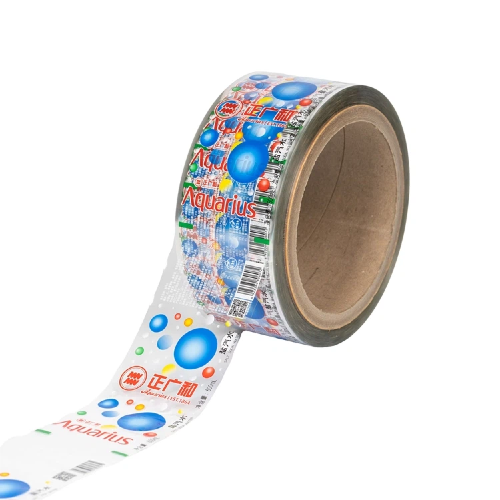
When consumers are browsing a store aisle or looking at a display, the label is often the first thing they notice about a product. Water bottle labels are a crucial element in gaining a consumer’s attention. The design, colors, and information on the label contribute to the product’s appeal.
Factor | Impact on Sales | Examples |
Unique Design | Increases product visibility and differentiation | Eye-catching colors or graphics that stand out |
Branding Consistency | Builds trust and reinforces brand identity | Consistent logo, colors, and design across products |
Certifications | Builds consumer trust and loyalty | “100% natural,” “Certified organic,” or “Fair trade” |
The functionality and design of water bottle labels should align with the target market. Customizing the label’s message, design, and material can attract different types of consumers.
Health-Conscious Labels: For brands offering functional beverages (e.g., vitamin-infused water), the label can highlight key selling points like low calories, no added sugars, or essential vitamins.
Eco-Friendly Labels: If the water bottle brand focuses on sustainability, the label should reflect that through green designs, eco-friendly materials, and certifications (e.g., recyclable, BPA-free).
Studies have shown that a product’s appearance has a significant impact on purchasing decisions. Labels convey a product’s value, benefits, and overall quality, all of which influence consumer behavior.
Trust and Credibility: Well-designed labels convey professionalism and reliability, building consumer trust in the product. Clear, well-laid-out labels increase the likelihood of a purchase.
Visual Appeal: Attractive, vibrant labels that stand out are more likely to draw customers in, especially when placed among competitors with more generic labels.
Water bottle labels have evolved significantly over the years. From basic printed labels to high-quality, design-forward packaging, the progression of water bottle labeling reflects broader trends in the beverage industry, consumer preferences, and technological advancements.
Early Labels: Initially, labels were simple, functional items that primarily provided regulatory information. Over time, labels began to evolve into a more complex marketing tool.
Modern Labels: Today’s labels not only provide product information but also serve as an essential branding tool, conveying the product’s ethos, story, and values.
In recent years, there has been a marked shift towards sustainable and eco-friendly labeling practices, including:
Sustainability in Labeling: More companies are opting for biodegradable, recyclable, and compostable labels. Water bottle labels are increasingly being made with eco-friendly materials such as recycled paper, bioplastics, and water-based adhesives.
Digital Printing Technologies: Digital printing allows for cost-effective, high-quality, and flexible label production, particularly for limited runs or custom designs.
The future of water bottle labels includes advances in smart technology and further innovations in sustainable materials. Smart labels with QR codes, temperature-sensitive inks, and augmented reality elements may become more common, offering consumers an interactive experience.
Water bottle labels are essential in modern branding, acting as powerful tools for both marketing and functionality. They play a crucial role in conveying brand identity, providing vital product information, and influencing consumer behavior. As the industry evolves, it’s increasingly important for companies to embrace sustainable materials and innovative label designs to stay ahead of the competition and meet consumer demand for transparency and eco-friendly options.
By investing in high-quality, well-designed labels, companies can elevate their brand image, improve customer engagement, and ultimately boost sales. Water bottle labels do much more than decorate—they help build a strong, recognizable product identity.
For businesses looking to enhance their label design and incorporate sustainable solutions, Zhangjiagang Winner Packaging offers expert packaging services. Their team specializes in crafting custom water bottle labels that combine both functionality and brand appeal, while also focusing on eco-friendly materials and innovative printing technologies. Reach out to explore how their professional solutions can help take your branding and sustainability efforts to the next level.
Q1: How do water bottle labels help with branding?
Water bottle labels help build brand recognition by showcasing the brand's logo, design elements, and message. A unique, consistent label design ensures that the product stands out on shelves and resonates with consumers.
Q2: What information should be included on a water bottle label?
Important information includes the brand name, product description, ingredients (if applicable), nutritional facts, source of water, and manufacturing details. It may also include certifications and legal disclaimers.
Q3: Why are water bottle labels important for marketing?
Labels are essential for creating a product’s first impression. An attractive and informative label can catch a consumer’s eye, enhance shelf appeal, and influence purchasing decisions by conveying the product's quality and benefits.
Q4: What materials are best for water bottle labels?
Durable materials such as BOPP, vinyl, and paper with waterproof coatings are ideal for water bottle labels. These materials ensure that the label remains intact and legible even when exposed to moisture.
Q5: How can water bottle labels enhance the user experience?
Clear, readable labels that provide essential product information, such as nutritional facts, benefits, or instructions, help enhance the consumer’s experience. Waterproof and durable labels also ensure that information stays intact, even in wet conditions.


