
Views: 0 Author: Site Editor Publish Time: 2025-11-07 Origin: Site


Packaging plays a pivotal role in attracting consumers and conveying your brand story, and among the most influential packaging elements is the personalized wine bottle label. A well-designed label is more than a decorative piece; it serves as a bridge between your brand and your customers. Personalized labels help differentiate your product on crowded shelves, communicate the story behind your wine, and create an emotional connection with consumers. In recent years, the trend of custom wine labels has surged, reflecting the growing desire for individuality, premium aesthetics, and memorable gifting experiences. From boutique wineries to large-scale producers, businesses are embracing wine label design to capture attention, increase loyalty, and elevate the overall brand perception.
Creating a personalized wine label involves careful planning, creative design, material selection, and regulatory compliance. This guide walks you through the essential steps to make a personalized wine bottle label that not only enhances visual appeal but also reinforces brand identity and market positioning.
The first and arguably most crucial step in creating a personalized wine bottle label is to clearly define its purpose. Before diving into design or materials, it is essential to understand whether the label is intended for a core brand wine, a special gift edition, a limited commemorative release, or even a seasonal promotion. The purpose of the label dictates its overall design, messaging, tone, and functionality.
For brand wines, the label must seamlessly align with the existing visual identity of the winery or beverage brand. Every element — from the placement of the logo and brand name to the font selection and color palette — plays a role in reinforcing brand recognition and consumer trust. A cohesive wine label design ensures that customers instantly recognize the bottle on a crowded shelf, strengthening loyalty and brand awareness.
For gift or special edition wines, personalization becomes a distinguishing feature. Adding custom messages, celebratory dates, artwork, or illustrations can make a bottle feel unique and thoughtful, turning a simple wine gift into a memorable experience. Personal touches like these are especially effective in the gifting market, where the emotional impact of presentation is as important as the wine itself.
Defining your target audience is another essential consideration. Are your labels aimed at casual wine drinkers, luxury wine collectors, corporate clients, or event-specific recipients? Knowing your audience informs not only the visual style and material selection but also the type of messaging and design elements to include. For instance, luxury wine consumers might expect embossed logos, metallic foiling, or textured papers, while casual consumers may prefer vibrant, playful designs that reflect personality and approachability.
By establishing a clear purpose early in the process, wineries and beverage brands ensure that their custom wine labels communicate the intended story, resonate with the audience, and effectively serve their marketing, gifting, or brand positioning objectives.
Once the purpose of your wine label has been clearly defined, the next crucial step is to carefully consider its design elements, which will make your personalized wine bottle label not only functional but also visually captivating. A well-executed design strikes a balance between aesthetics, legibility, and regulatory compliance, ensuring that the label communicates essential information while enhancing your brand’s visual identity and market appeal.
At the heart of any effective wine label lies the logo and brand name. These elements are the first touchpoints for consumers and should be prominently positioned to capture attention instantly. A well-placed logo harmonizes with other design elements, creating a cohesive and recognizable brand image. Clear and memorable branding allows your wine to stand out on crowded shelves, reinforcing brand recognition and fostering consumer loyalty.
For boutique wineries or limited-edition releases, the logo also serves as a symbol of authenticity and craftsmanship. Incorporating subtle details, such as embossed logos or foil accents, can elevate the perceived quality of the wine. A thoughtfully designed logo placement ensures that even from a distance, consumers can instantly identify your bottle among competitors, reinforcing trust and brand prestige.
Typography and color selection play a pivotal role in conveying the personality and tone of your wine. Serif fonts often communicate elegance, tradition, and premium quality, making them ideal for luxury wines or heritage labels. Conversely, modern sans-serif fonts evoke a contemporary, approachable vibe suitable for casual, fun, or youthful wine brands.
Color palettes should reflect both the wine’s character and your overall brand identity. Rich tones such as deep burgundy, forest green, and gold are often associated with sophistication, exclusivity, and luxury, while vibrant, energetic hues can attract younger audiences or highlight seasonal and limited-edition releases. Harmonizing typography and color ensures that your wine label delivers a consistent visual message and resonates emotionally with your target consumers.
Visual storytelling through images and graphics is another essential component of a personalized wine label. Illustrations of vineyards, grape clusters, heritage symbols, or abstract patterns can enhance the narrative and elevate the bottle’s presentation. Carefully chosen graphics transform a label from a simple informational tool into a collector-worthy piece.
For instance, a hand-drawn vineyard scene can communicate artisanal craftsmanship and a sense of authenticity, appealing to connoisseurs and collectors alike. Minimalist geometric patterns, on the other hand, may convey modernity, sophistication, and a contemporary aesthetic suitable for boutique or urban wine brands. Integrating graphics in a thoughtful, balanced way ensures that the label supports storytelling without overwhelming essential product information.
Organizing information on a wine label is critical for both functionality and compliance. Essential details such as alcohol content, vintage year, region of origin, grape variety, and tasting notes must be clearly presented and easy to locate. A clear information hierarchy guides the consumer’s eye naturally, enabling quick access to key information while maintaining an elegant and visually pleasing design.
Subtle marketing elements such as QR codes, social media handles, or tasting recommendations can also be incorporated without cluttering the label. These features connect the physical product to digital platforms, providing an interactive experience that enhances customer engagement and strengthens your brand presence. Proper hierarchy ensures that the label communicates effectively while leaving space for creative visual expression.
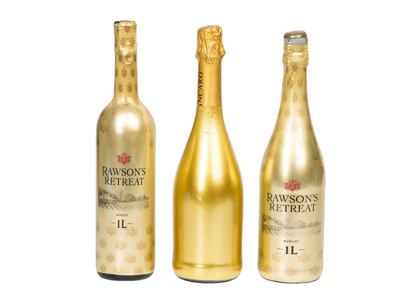
Selecting the right materials and printing methods is vital for determining the overall look, feel, and longevity of your personalized wine bottle label. The material choice impacts durability, aesthetic appeal, and how well the label reflects your brand positioning.
Paper Labels: Traditional and versatile, offering excellent print quality. Coated paper options enhance water resistance and durability, making them suitable for both standard and premium wines. Paper labels are ideal for high-resolution designs, embossing, and foil stamping.
Synthetic or Waterproof Materials: These labels are perfect for sparkling wines, chilled bottles, or products stored in humid environments. Resistant to peeling, smudging, and moisture, synthetic materials maintain a professional appearance even under challenging storage or serving conditions.
Metallic or Foil-Finished Labels: Metallic or foil-enhanced labels convey premium quality, sophistication, and exclusivity. They are perfect for collector editions, luxury gift sets, or limited-run wines, adding an elevated tactile and visual appeal that consumers associate with high-end products.
Hot Foil Stamping: Adds metallic shine to logos, borders, or text, creating a luxurious effect that attracts attention.
Embossing/Debossing: Adds texture and depth to your design, giving a tactile feel that enhances the perception of quality.
Digital Printing: Ideal for small batches or quick-turnaround orders, allowing intricate designs and high-resolution graphics.
Flexographic/Screen Printing: Suitable for high-volume production while maintaining consistent quality and color fidelity.
UV Spot and Gloss Coatings: Highlight specific areas of your design, enhancing brand differentiation and visual appeal.
Winner Packaging offers comprehensive wine label printing solutions that cover every aspect of production, from sample development to full-scale customization. Their expertise ensures precise color accuracy, sharp details, and long-term durability, even under challenging shipping or storage conditions.
A personalized wine bottle label is not just a marketing tool — it is also a regulated element of packaging. Ensuring compliance with local and international labeling standards is essential.
Key compliance considerations include:
Accurate alcohol content declarations.
Country or region of origin.
Volume and packaging information.
All legally required symbols or health warnings.
Quality control is equally important. Wine labels must withstand moisture, temperature fluctuations, and handling during distribution. Rigorous testing ensures adhesion, color consistency, and durability. Winner Packaging’s quality assurance processes guarantee that your custom wine labels look professional and remain intact from production through consumption.
A well-crafted personalized wine bottle label enhances brand identity, communicates your wine’s story, and elevates overall presentation. From boutique wineries to large-scale producers, investing in custom wine labels is an essential strategy to attract attention, connect with consumers, and create memorable gifting experiences.
By carefully defining purpose, designing thoughtful visual elements, selecting quality materials, and ensuring compliance, your personalized labels can transform a simple bottle into a powerful marketing tool and brand ambassador.
At Winner Packaging, we specialize in helping wineries create unique, high-quality labels through advanced printing technologies, premium materials, and global compliance expertise. Whether you need small custom runs or large-scale production, our solutions ensure every wine bottle reflects your brand’s story with precision and elegance.
Ready to craft your personalized wine bottle label?
Contact Winner Packaging today to explore tailor-made solutions and bring your wine’s story to life through exceptional labeling and packaging.
Q1: What is a personalized wine bottle label?
A custom label that showcases your brand, tells your wine’s story, and adds visual appeal. It allows creative designs, unique messaging, and finishes like embossing or foil stamping.
Q2: Why create a custom wine label?
Custom labels help your wine stand out, attract your audience, create memorable gifts, and communicate key details like vintage, origin, and tasting notes.
Q3: What materials and printing methods are recommended?
Options include paper, synthetic, and foil-finished labels. Techniques like hot foil stamping, embossing, digital printing, and UV coating enhance durability and luxury.
Q4: How can I ensure compliance and quality?
Include all required info (alcohol content, origin, volume, health warnings). Professional printers, like Winner Packaging, ensure regulatory compliance and label durability.
Q5: Are personalized labels suitable for small batches or special editions?
Yes. Modern printing allows small runs or limited editions, perfect for gifts, seasonal releases, or collector’s items.

