
Views: 0 Author: Site Editor Publish Time: 2025-11-13 Origin: Site


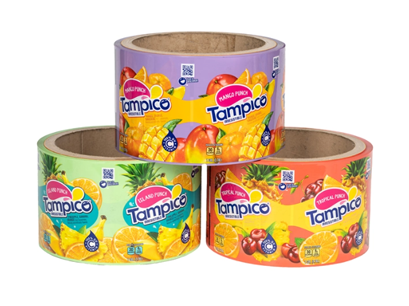
Among all packaging elements, custom sticker labels have emerged as one of the most versatile and impactful tools for brands. These labels are not merely decorative; they serve as a bridge between the product and the consumer, communicating vital information while enhancing visual appeal. Custom sticker labels are widely used across industries, including food and beverage, cosmetics, pharmaceuticals, and specialty products. A notable application is in wine tags, which are a type of custom label designed specifically for bottles of wine and spirits. Wine tags not only convey essential information such as vintage, grape variety, and alcohol content but also add a layer of sophistication and brand identity to the bottle.
Whether for mass-market beverages, boutique wines, or limited-edition gift items, custom sticker labels help brands create a professional appearance, strengthen consumer trust, and increase shelf visibility. This article explores the definition, types, benefits, and applications of custom sticker labels, with a focus on wine tags and other packaging solutions, providing a comprehensive guide for brands seeking to enhance their packaging strategy.
Custom sticker labels are printed adhesive labels designed to meet specific branding, functional, and informational needs. Unlike standard labels, custom labels can be tailored to any shape, size, material, and printing style, ensuring that each label aligns perfectly with the product’s identity and market positioning.
The primary purpose of these labels extends beyond decoration. They are a multifunctional tool that can:
Communicate Product Information: Essential details such as ingredients, volume, manufacturing date, and usage instructions can be displayed clearly. For wine bottles, this includes vintage, alcohol content, grape variety, and regional origin.
Promote Brand Identity: Logos, brand colors, and typography on labels create a consistent brand image that consumers can recognize and trust.
Enhance Marketing and Engagement: Labels can include QR codes, promotional messaging, or limited-edition numbering, engaging consumers beyond the point of sale.
Differentiate Products: In crowded retail shelves, unique and well-designed labels help products stand out, influencing consumer choice.
In industries such as food and beverage, cosmetics, or pharmaceuticals, the use of wine tags or similar specialized labels demonstrates how custom labels provide both functionality and a premium aesthetic. These tags can transform a simple wine bottle into a memorable gift item, while also ensuring that all necessary regulatory information is clearly visible.
Custom sticker labels are among the most versatile packaging solutions available today. They come in a wide range of types, materials, and configurations, designed to meet different packaging needs across industries. The choice of label type largely depends on the product, the surface or container material, environmental conditions, and the specific branding objectives of the business. Whether for beverages, cosmetics, or gift items, selecting the right label type ensures both functionality and visual appeal.
Self-adhesive labels are the most commonly used type of custom sticker labels. They are designed to stick securely to a variety of surfaces, including glass, plastic, and metal, making them suitable for bottles, jars, and containers of all kinds. These labels are highly versatile and can be customized with different finishes such as matte, gloss, or semi-gloss.
One of the key advantages of self-adhesive labels is their ability to combine functionality with high-quality visual presentation. They can display essential product information—such as ingredients, volume, and usage instructions—while simultaneously promoting brand identity. In addition, self-adhesive labels are easy to apply, whether manually or through automated labeling machines, making them a practical choice for both small-scale and large-scale production.
Wine tags, also known as hang tags, represent a specialized category of custom sticker labels. These labels are designed to hang from the neck of a wine bottle or attach directly to the bottle surface. They are often used for premium or gift wines, where presentation and brand messaging are as important as regulatory compliance.
Wine tags serve dual purposes: they provide essential product information, such as vintage, grape variety, and region of origin, while also offering a decorative and aesthetic enhancement to the bottle. Many wine tags include the winery’s logo, tasting notes, and sometimes even personalized messages for limited editions, corporate gifting, or special events.
The materials used for wine tags vary widely, including high-quality paper, BOPP, PET, and specialty textured papers. Depending on the design, adhesives can be permanent, removable, or entirely non-adhesive, allowing the tag to be repositioned or removed without damage. By incorporating embossing, foil stamping, or spot UV coatings, wine tags can convey a sense of luxury and exclusivity, which is particularly valuable for premium wine collections.
Shrink sleeves, also called heat shrink labels, are printed on heat-responsive films that conform tightly to the contours of a bottle or container when exposed to heat. These labels are ideal for bottles with irregular shapes or complex curves, providing 360-degree coverage and maximizing branding space. Shrink sleeves are commonly used for beverages, including wine, spirits, soft drinks, and specialty bottled products.
Materials for shrink sleeves include PVC, PETG, and OPS films, which offer flexibility, durability, and excellent print quality. The labels can accommodate full-color printing, metallic effects, or intricate patterns, making them a powerful tool for brands seeking to differentiate their products on retail shelves.
One of the key advantages of custom sticker labels is their extensive customization capabilities. Brands can choose from a wide range of shapes and sizes, including square, rectangular, circular, oval, or unique die-cut shapes. Color options range from full CMYK prints to Pantone colors, metallic foils, and transparent finishes.
Printing techniques are equally diverse, including digital printing, gravure, flexographic, hot foil stamping, embossing, and UV coating. Special finishes such as matte, gloss, metallic, or tactile coatings add a premium feel to labels, enhancing both the look and the perceived value of the product.
These customization options allow brands to create labels that are functional, visually appealing, and aligned with their overall marketing strategy. Whether for everyday retail products or limited-edition releases, custom sticker labels provide flexibility, durability, and a strong branding opportunity.
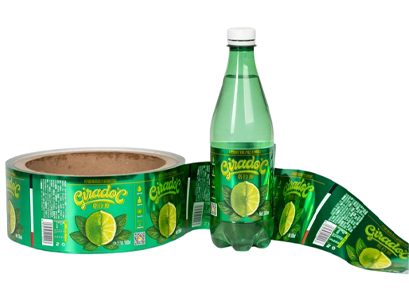
Custom sticker labels offer a wide array of benefits that extend beyond aesthetics. They play a critical role in enhancing brand identity, improving shelf appeal, and providing essential information to consumers.
Custom labels help businesses project professionalism and build consistent brand recognition. By maintaining uniformity in logos, color schemes, and typography across all products, consumers can quickly identify the brand. This consistency fosters trust, encourages repeat purchases, and strengthens brand loyalty over time.
Labels are the first point of visual contact for consumers. A well-designed custom sticker label can capture attention and influence purchase decisions. For wine and beverage products, metallic foils, embossing, and high-quality finishes create a sense of premium quality that elevates the product above competitors. Shrink sleeves and wine tags further enhance shelf appeal by providing full coverage and distinctive design features.
Accurate and clear labeling ensures that consumers understand product content, usage, and benefits. Wine tags, for instance, communicate critical information such as vintage, grape variety, production region, and tasting notes. Providing this information helps consumers make informed decisions and enhances their overall product experience.
Custom sticker labels are highly adaptable and can adhere to glass, plastic, metal, or composite containers. This adaptability ensures consistent branding across product lines with different packaging materials. Self-adhesive labels, wine tags, and shrink sleeves can be applied to diverse surfaces, maintaining integrity even under temperature changes or exposure to moisture.
Custom sticker labels offer marketing potential beyond the physical product. By integrating QR codes, social media handles, or promotional messaging, brands can connect the physical package to digital platforms, encouraging consumer engagement and repeat purchases. Wine tags, in particular, can be designed to include digital links, further enriching the customer experience and creating interactive brand touchpoints.
Wine tags demonstrate the versatility and premium appeal of custom sticker labels. These labels combine aesthetics with functionality, serving as both decorative elements and carriers of essential information.
Wine tags are ideal for premium wines, spirits, and gift bottles. They allow brands to convey their story, provide tasting notes, and indicate limited editions. Corporate gifting, promotional events, or seasonal releases can all benefit from customized wine tags, which elevate the perceived value of the bottle and create memorable experiences for consumers.
Wine tags can be made from paper, BOPP, PET, or specialty textured papers. Adhesive options include acrylic, hot melt, and removable glue, depending on the intended use. These choices ensure that the tag remains secure under various conditions, including refrigeration, high humidity, or long-term storage.
Brands can select from multiple printing techniques, including digital printing for small runs or gravure and flexographic printing for large-scale production. Decorative finishes such as embossing, hot foil stamping, spot UV coating, and metallic foils enhance both the tactile and visual appeal, creating a luxurious, high-end appearance.
Wine tags can be tailored to reflect brand identity through logos, fonts, color schemes, and unique shapes. This ensures consistency across all product packaging while making a strong statement on shelves. By combining functional labeling with creative design, wine tags demonstrate the full potential of custom sticker labels in enhancing both product aesthetics and brand communication.
Custom sticker labels are essential tools for modern packaging, offering a powerful combination of functionality, aesthetics, and marketing potential. They help brands convey vital information, enhance consumer engagement, and elevate the perceived quality of products.
Wine tags, a specialized application of custom sticker labels, demonstrate how tailored labeling can transform a simple bottle into a premium product, suitable for retail or gifting. By leveraging different materials, adhesives, printing techniques, and finishes, brands can create labels that are visually striking, durable, and aligned with brand identity.
Partnering with a professional supplier like Winner Packaging ensures access to high-quality materials, expert printing techniques, and extensive customization options. Whether producing wine tags, shrink sleeves, or self-adhesive labels for bottles, businesses can achieve packaging that enhances brand visibility, builds consumer trust, and supports market competitiveness.
Investing in custom sticker labels is no longer optional—it is a strategic move that strengthens branding, improves shelf presence, and creates a memorable consumer experience.
Q1: What are custom sticker labels?
A: Adhesive labels tailored to a product’s brand and design, enhancing visual appeal, conveying information, and boosting brand recognition.
Q2: How are wine tags different from regular labels?
A: Wine tags hang from the bottle or stick directly, providing info like vintage, tasting notes, and adding a premium, decorative touch.
Q3: Can labels be fully customized?
A: Yes. Shapes, sizes, colors, printing methods, and finishes can all be tailored to create unique, eye-catching labels.
Q4: How do labels engage consumers beyond the product?
A: Labels can include QR codes, social media links, or promotional messages, connecting packaging to digital experiences and enhancing brand interaction.


