
Views: 0 Author: Site Editor Publish Time: 2025-11-20 Origin: Site


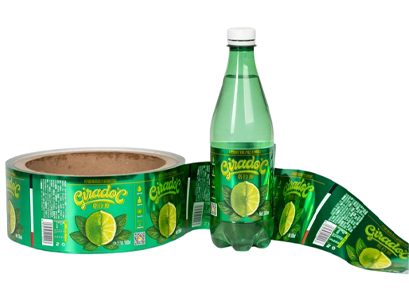
Among the various elements of packaging, custom sticker labels have emerged as one of the most versatile and impactful components. These labels are not only a means to convey essential product information but also a powerful visual tool to attract consumer attention, enhance brand recognition, and establish a premium image. Custom sticker labels are widely used across industries such as food and beverages, cosmetics, pharmaceuticals, and specialty products. A prominent application is in wine tags, which are specialized labels designed for bottles of wine and spirits. Wine tags add elegance to the bottle, providing both functional information—like vintage, grape variety, and alcohol content—and decorative appeal. Similarly, bottled beverages, cosmetics jars, and skincare products benefit from custom labels that are waterproof, durable, and visually appealing.
The choice of label material is one of the most crucial aspects of custom sticker labels, as it affects durability, print quality, and the overall perception of the product. Different materials cater to specific industries, surfaces, and environmental conditions.
Paper labels are the traditional choice for wine tags and other premium packaging applications. They offer excellent printability, enabling high-resolution graphics, intricate designs, and vibrant colors. Textured and specialty papers can create a tactile experience that enhances perceived value, making them ideal for boutique wines, spirits, and gift packaging.
Paper labels are highly versatile in terms of finishes—they can be coated with matte, gloss, or satin lamination, which adds a layer of protection against moisture, light abrasion, and minor spills. While paper is not as resistant to water or chemicals as synthetic materials, its affordability and aesthetic appeal make it a favorite for luxury and decorative packaging.
Biaxially Oriented Polypropylene (BOPP) and Oriented Polypropylene (OPP) labels are synthetic materials widely used in beverage packaging, including bottled water, juices, soft drinks, and alcoholic beverages. These materials are waterproof, tear-resistant, and moisture-proof, making them ideal for products exposed to condensation, refrigeration, or wet environments.
BOPP and OPP labels also provide excellent print quality and are compatible with a variety of finishing techniques, including gloss, matte, and metallic coatings. They are durable, flexible, and can adhere effectively to glass, plastic, or metal surfaces, ensuring brand consistency across different packaging types.
Polyethylene terephthalate (PET) and Polyethylene (PE) labels offer superior chemical resistance, flexibility, and durability. They are particularly suitable for cosmetic bottles, personal care products, and alcoholic beverages that may be exposed to oils, chemicals, or cleaning agents.
PET and PE labels are resistant to tearing and maintain their adhesion under varying temperature and humidity conditions. They are ideal for products that require a long shelf life, repeated handling, or shipment across multiple environments. With high print clarity, these materials also support detailed graphics and vibrant colors, enhancing the product’s visual appeal.
Shrink sleeves or heat shrink labels are printed on heat-responsive films such as PVC, PETG, or OPS. When applied with heat, the labels conform tightly to the contours of the bottle or container, offering 360-degree coverage.
Shrink sleeves are perfect for irregularly shaped containers, allowing brands to utilize the entire surface for branding, promotional messages, or regulatory information. The materials used for shrink sleeves provide flexibility, durability, and excellent print resolution. They also accommodate metallic inks, high-gloss finishes, and special effects, making them an attractive option for beverage bottles, cosmetic jars, and specialty products.
Selecting the right adhesive is as critical as the label material itself. Adhesives determine how well a label sticks to a surface and how it withstands environmental conditions, including temperature changes, moisture, or cold storage.
Hot melt adhesives provide strong, permanent adhesion to a variety of surfaces, including glass, plastic, and metal. They are suitable for products that may experience temperature fluctuations during storage or shipping. Hot melt adhesives are widely used for bottled beverages, wine bottles, and other products requiring long-lasting labels.
Acrylic adhesives are known for their transparency, UV resistance, and long-term stability. They maintain their clarity and adhesion even after prolonged exposure to sunlight, making them ideal for products displayed on store shelves. Acrylic adhesives are commonly used for premium wine tags, cosmetic bottles, and food packaging, where label appearance is as important as functionality.
Removable adhesives allow labels to be peeled off without leaving residue. This is particularly useful for gift packaging, promotional bottles, or reusable containers. Removable glue ensures the label can be repositioned or removed cleanly, preserving the product surface and enhancing consumer convenience.
Cold or freeze adhesives are designed for refrigerated or frozen products, ensuring labels remain securely in place under low-temperature conditions. This type of adhesive is commonly used for bottled beverages, dairy products, frozen meals, and wine bottles stored in cold environments.
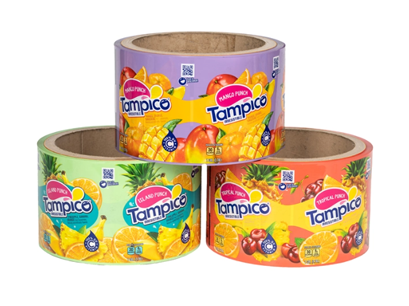
Printing and finishing techniques play a vital role in enhancing the visual appeal, durability, and premium perception of custom sticker labels. The right combination of techniques ensures that labels are not only functional but also convey a strong brand identity.
Digital printing is ideal for short-run or customized orders, allowing for fast turnaround and flexible production. This method provides high-resolution images, vibrant colors, and the ability to include personalized elements, such as batch numbers, gift messages, or QR codes. Digital printing is especially suitable for boutique wines, promotional items, and limited-edition packaging.
Gravure and flexographic printing are preferred for large-scale production due to their efficiency, precision, and ability to handle high-volume runs. These techniques offer consistent color reproduction and sharp graphic details, making them ideal for beverage labels, cosmetic packaging, and pharmaceutical bottles.
Special finishing techniques such as hot foil stamping, embossing, and spot UV coating enhance the tactile and visual appeal of labels. These finishes add depth, texture, and a sense of luxury, which is particularly effective for wine tags, premium spirits, and cosmetic products. Metallic foils, raised patterns, and UV highlights attract attention and convey quality.
Printing on shrink sleeves requires precision to ensure accurate image alignment after application. Full-color printing, metallic effects, and intricate patterns can be applied to create visually striking packaging that conforms perfectly to complex container shapes. This method is widely used for beverages, wine, spirits, and novelty packaging.
Design is the bridge between functionality and visual appeal. Effective labels balance regulatory compliance, branding, and consumer attraction.
Key branding elements include logos, color schemes, fonts, and imagery. Consistent branding across all product lines fosters recognition and strengthens consumer trust. For wine tags, using elegant fonts, foil accents, and custom shapes can create a premium impression.
Label information should be organized logically, prioritizing essential content such as product name, ingredients, vintage, or volume. Secondary information—such as promotional messages or tasting notes—should be placed strategically to avoid clutter while enhancing the storytelling aspect of the packaging.
Matching materials and printing techniques to the intended use is essential. For example, a wine bottle stored in a cool, damp cellar may require waterproof BOPP labels with acrylic adhesives, while a cosmetic jar may benefit from PET labels with hot foil stamping. Ensuring durability, moisture resistance, and scratch resistance is crucial for maintaining label quality throughout the product’s lifecycle.
Custom sticker labels are an indispensable component of modern packaging. They provide a multifaceted solution that combines functionality, aesthetics, and marketing potential, enhancing brand recognition, shelf appeal, and consumer engagement.
Wine tags and other custom labels demonstrate the power of tailored packaging in elevating product perception. By carefully selecting materials, adhesives, printing techniques, and finishes, brands can ensure that their labels are durable, visually striking, and fully aligned with their marketing strategy.
Partnering with a professional supplier like Winner Packaging provides access to high-quality materials, expert printing capabilities, and extensive customization options. Whether producing self-adhesive labels, wine tags, or shrink sleeves, businesses can achieve packaging solutions that enhance brand visibility, build consumer trust, and support market competitiveness.
1. What are custom sticker labels?
Tailored adhesive labels that convey product info, enhance brand identity, and boost shelf appeal.
2. What materials are used?
Paper, BOPP/OPP, PET/PE, and shrink sleeve films for different durability, water resistance, and design needs.
3. How do adhesives differ?
Options include hot melt (strong), acrylic (UV-resistant), removable (temporary), and freeze/cold (for refrigerated products).
4. What printing and finishes are available?
Digital, gravure, flexographic printing; finishes include foil, embossing, UV coating, and metallic effects.
5. How do wine tags help branding?
They provide key product info and decorative appeal, elevating premium wines and gift packaging.


